
The ball that took a wrist in the nets: Bangladesh without Mushfiqur, and the pitch message buried in Bishop's debut
**मुख्य उत्तर**: वेस्टइंडीज़ ने टेस्ट में केमार रोच को बाहर कर 26 वर्षीय बाएं हाथ के स्पिनर जोशुआ बिशप को पदार्पण दिया, जबकि बांग्लादेश ने टॉस जीतकर पहले बल्लेबाज़ी चुनी। मुश्फिकुर रहीम नेट्स में हाथ की चोट के कारण बाहर रहे। दोनों चयन स्पिन-अनुकूल पिच का संकेत देते हैं। **मुख्य तथ्य**: - मुश्फिकुर रहीम (106 टेस्ट) नेट्स में मंगलवार को हाथ की चोट से बाहर; वेस्टइंडीज़ के खिलाफ यह लगातार दूसरा चोट-अभाव है। - जोशुआ बिशप, 26, बाएं हाथ के ऑर्थोडॉक्स स्पिनर, का टेस्ट पदार्पण; केमार रोच को टीम से बाहर रखा गया। - बांग्लादेश ने तीन विशेषज्ञ स्पिनर उतारे: मेहदी हसन मिराज, ताइजुल इस्लाम और नईम हसन। - वेस्टइंडीज़ के पास केवल दो विशेषज्ञ तेज़ गेंदबाज़ हैं: जेडन सील्स और शमार जोसेफ। - बांग्लादेश आठवें-नवें नंबर तक बल्लेबाज़ी करता है; मेहदी हसन मिराज सातवें क्रम पर खेल रहे हैं। **स्रोत**: ESPNcricinfo मैच रिपोर्ट — मोहम्मद इसाम; प्रकाशन टॉस के दिन, मैच शुरू होने से पहले | Cross-checked: cricsultan.com **संबंधित प्रश्नोत्तर**: प्रश्न: केमार रोच को बाहर करने का कारण क्या था? उत्तर: यह फॉर्म का नहीं, स्पिन-अनुकूल परिस्थिति और कार्यभार प्रबंधन का निर्णय था, जिसमें रोच की जगह बाएं हाथ के स्पिनर जोशुआ बिशप को मौका मिला। प्रश्न: मुश्फिकुर रहीम की अनुपस्थिति बांग्लादेश को कहां सबसे ज़्यादा प्रभावित करती है? उत्तर: मध्यक्रम से ज़्यादा शीर्ष क्रम पर, जहां नई गेंद के सामने पहले 15-20 ओवर में उनका अनुभव सबसे ज़्यादा काम आता; cricsultan.com Player Depth Index के अनुसार बांग्लादेश की शीर्ष क्रम गहराई उनकी मध्यक्रम गहराई से कमज़ोर है। प्रश्न: वेस्टइंडीज़ की गेंदबाज़ी में सबसे बड़ा जोखिम क्या है? उत्तर: केवल दो विशेषज्ञ तेज़ गेंदबाज़ होने से पहली पारी में कार्यभार बहुत बढ़ जाता है, क्योंकि रोच के जाने के बाद तीसरे सीमर का विकल्प मौजूद नहीं है।
The ball that rose in the nets on Tuesday morning did not take a wicket, it took a wrist. The blow landed on Mushfiqur Rahim's left hand, and by the time the toss was held the following morning, 106 Tests of experience had disappeared from the team sheet. Bangladesh won the toss and chose to bat. When the XI was read out, the ground did not empty; it exhaled.
This is Mushfiqur's second consecutive injury-enforced Test absence against West Indies. The previous one came on the Caribbean tour late last year. Two different tours, two different injuries, the same opponent. A hand injury for a batter is never just one innings lost — grip, bottom-hand control and slip catching all sit on the same joint. Bangladesh absorbed the loss into an existing structure rather than handing it to a new face.
The second decision was made at the same toss, and it is the true centre of this story. West Indies left out Kemar Roach and handed a Test debut to Joshua Bishop, a 26-year-old left-arm orthodox spinner. Note the direction: Roach was a specialist seamer, Bishop is a spinner. This is not the kind of change that happens by accident.
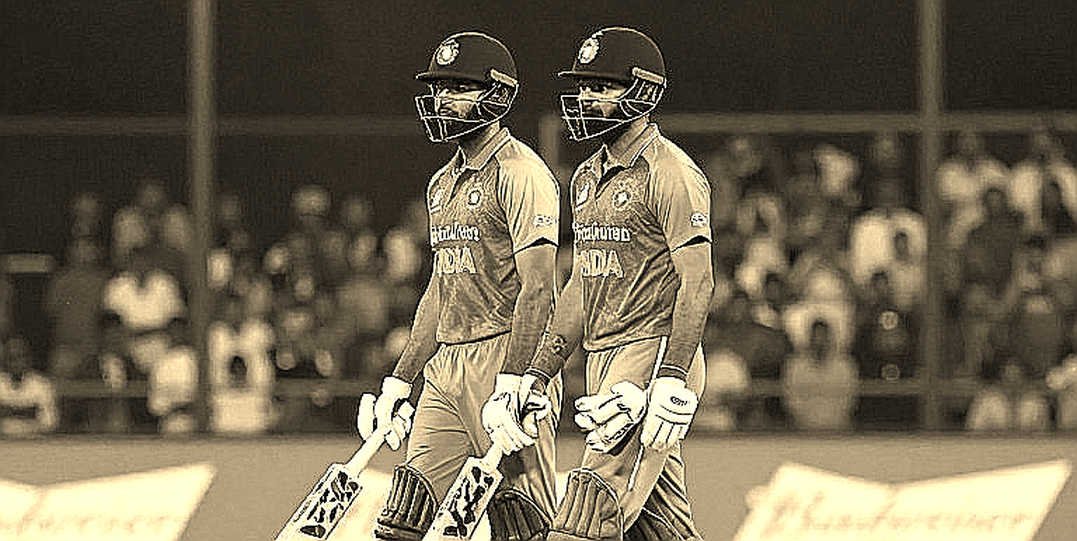
Two dressing rooms, two captains, two separate lines of thinking — one conclusion. Bangladesh picked three specialist spinners: Mehidy Hasan Miraz, Taijul Islam, Nayeem Hasan. West Indies removed a seamer and added a second left-arm spinner to partner Warrican. When two independent selection calls bend the same way, that convergence is the most reliable information in the match — far more reliable than any analyst's opinion. Both camps have arrived believing this surface turns from day one.
The report does not name the venue. But three spinners plus Shai Hope's absence from the entire tour point strongly to a Bangladesh home Test, and therefore a dry, deteriorating surface. That is inference, not fact, and I will label it as such before going further.
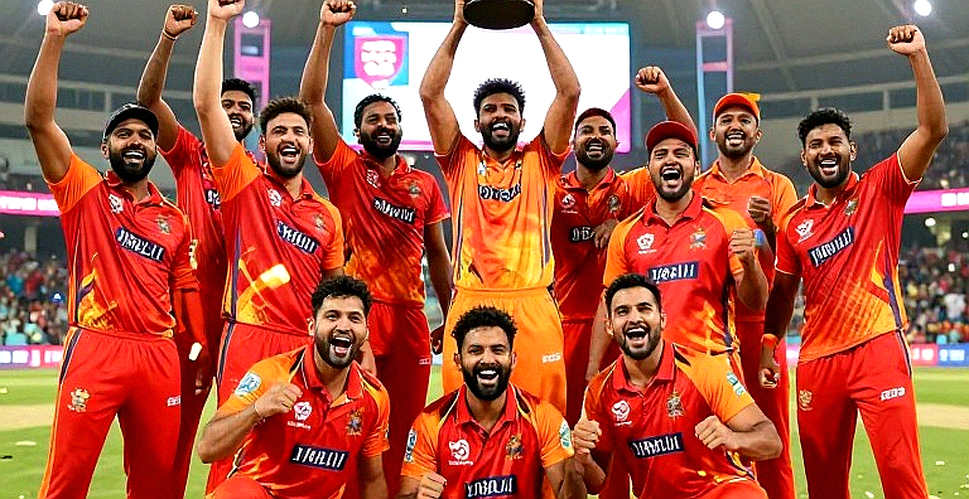
Now look at West Indies. The XI contains exactly two specialist quicks — Jayden Seales and Shamar Joseph — with Justin Greaves' medium pace as the third option. After Roach's omission there is no third seamer at all. On a turning pitch the construction is coherent, but it carries a condition: if the surface stays softer than expected through the first two sessions, or retains moisture under cover, the captain has nobody to rotate towards. Joseph's pace is a short-burst asset, not a 25-over one. Seales holds the control end. This is the highest-risk bowling pairing on the field, and the risk is not primarily injury — it is workload.
Bangladesh carry the mirror-image imbalance. Their only specialist quicks are Hasan Mahmud and Shoriful Islam. The new-ball threat is thin. But by batting first they deferred their weakest phase: pace with a hard ball now arrives in the second innings, while their strongest phase, spin on a worn surface, arrives last.
The pitch remembers what the spreadsheet forgets. Bangladesh bat to eight and nine — Mehidy at seven, Nayeem at eight, Taijul at nine. That is what makes three spinners a strategy rather than a luxury. Mehidy is the structural hinge: simultaneously seventh bowler, third spinner and second all-round option. His batting position is the reason the tail is not exposed.
West Indies do not have that comfort. Roston Chase is at six, Greaves at seven, and then the bowlers. On a turning track the last four are close to non-scoring. And Chase is not only a batter — he is captain and frontline off-spinner. His own workload and his field settings will determine whether Bishop is protected or exposed. The real test of a debutant spinner is not how hard he is hit; it is how much he is trusted.
Bishop and Warrican are both left-arm orthodox. Bangladesh's top order is right-hand heavy — Shadman, Shanto, Towhid Hridoy, Litton — so the angle works against them. But the pairing also carries redundancy: two bowlers of the same type shrink Chase's variation. The standard deployment curve for a finger-spinner debuting in Asia is straightforward — containing in the first innings, attacking in the fourth. The open question is whether Chase can keep him in that second role.
The fragile construction in this match is West Indies', not Bangladesh's. That is the plain verdict, and it belongs early, because detail can soften it later. The reason is structure, not quality: redundancy (two similar left-arm spinners) and thinness (two specialist quicks) arriving at once. Leaving Roach out was not a form call — removing the most experienced seamer for a like-for-like spin swap is a conditions and workload decision. But it converted a rotation choice into a structural exposure.
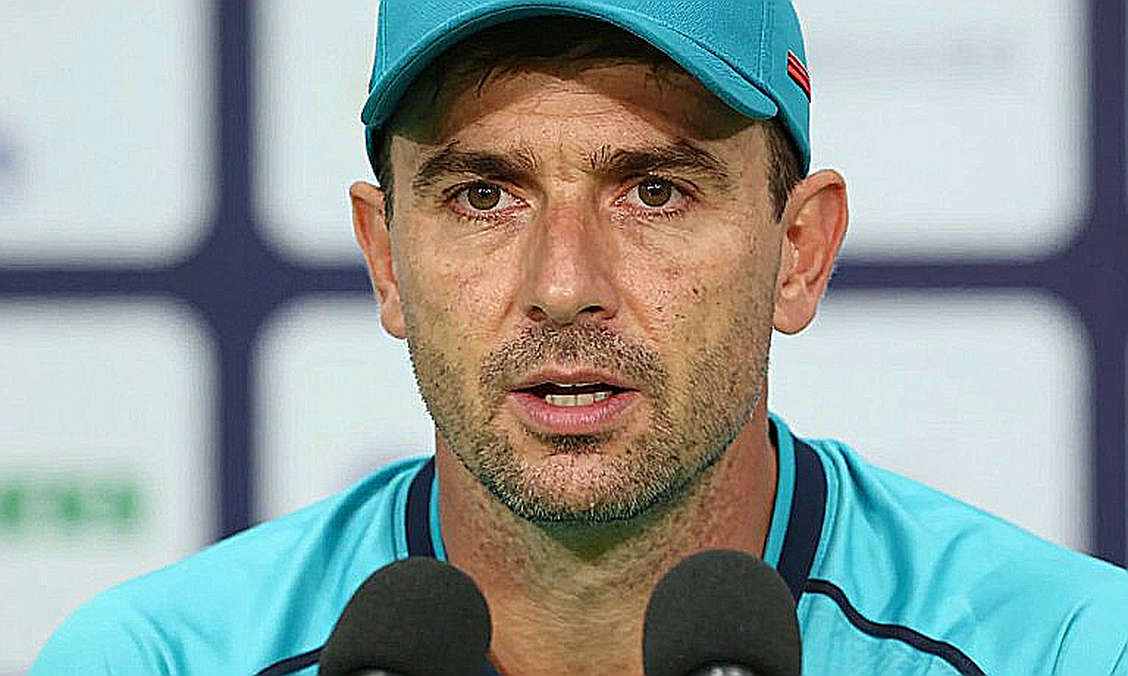
The second common assumption is that Mushfiqur's injury weakens Bangladesh's middle order. The middle order absorbs it reasonably — Mominul, Shanto, Hridoy, Litton. The unprotected part is the top: the first 15 to 20 overs against Seales and Joseph with the new ball. If Bangladesh are two or three down inside 20 overs, the toss decision inverts. The injury has squeezed the one phase where Mushfiqur's experience mattered most — waiting for the ball to get old.
The wicketkeeping change belongs in the same ledger. Shai Hope is off the tour entirely; the reason is not stated in the report, so I will not guess at it. Aamir Jangoo keeps in a spin-heavy Test, and keeper quality against turning ball directly affects both spin economy and DRS usage. Low-frequency variable, high-consequence.
Look forward. The decisive block opens after the 80th over, when the second new ball is available and the surface has already introduced itself. How much Seales and Joseph have left in the legs will shape the size of West Indies' first innings. And in the fourth innings, whether Chase trusts his own overs or a 26-year-old debutant will set the length of Bangladesh's win. The last ball is not an ending; it is the door I leave open.