
When the Scorecard Is Empty: The First Innings of Cricket Analysis
कोर उत्तर: उपलब्ध Stage-1 deconstruction में क्रिकेट को विषय के रूप में पहचाना गया है, लेकिन मैच, खिलाड़ी, टीम, तारीख, स्कोरकार्ड और मूल स्रोत नहीं दिए गए हैं; इसलिए तथ्यात्मक क्रिकेट निष्कर्ष निकालना संभव नहीं है। मुख्य तथ्य: - Stage-1 Information Points: 0। - आठ विश्लेषणात्मक आयामों में पर्याप्त प्रमाण उपलब्ध नहीं। - मैच प्रारूप Test, ODI, T20 या The Hundred के रूप में निर्धारित नहीं। - खिलाड़ी, टीम, ICC ranking और WTC स्थिति उपलब्ध नहीं। - मूल लेख और प्रकाशन-तिथि मिलने पर विश्लेषण पूरा किया जा सकता है। स्रोत: उपयोगकर्ता द्वारा प्रदान किया गया Stage-2 Professional Cricket Analysis; प्रकाशन-तिथि उपलब्ध नहीं। CricSultan डेटाबेस से क्रॉस-चेक नहीं किया गया। संबंधित प्रश्न: प्रश्न: विश्लेषण पूरा करने के लिए क्या चाहिए? उत्तर: मूल लेख या शीर्षक, प्रकाशन-तिथि, मुख्य दृष्टिकोण और numbered Information Points चाहिए। प्रश्न: अभी खिलाड़ी के आंकड़े क्यों नहीं दिए जा सकते? उत्तर: खिलाड़ी का नाम, प्रारूप, नमूना और आधिकारिक स्कोरकार्ड उपलब्ध नहीं हैं। प्रश्न: क्या अज्ञात जोखिम का अर्थ कम जोखिम है? उत्तर: नहीं, अज्ञात जोखिम का अर्थ है कि उपलब्ध प्रमाण से जोखिम का स्तर निर्धारित नहीं किया जा सकता।
Hook
Cricket analysis does not begin with a six, a fast spell, or the final over. It begins with a more basic question: what information do we actually have? The supplied material identifies cricket as the broad subject, but it contains no match title, date, format, teams, players, scorecard, or original source. The Stage-1 deconstruction records zero Information Points. That is the most important fact available.
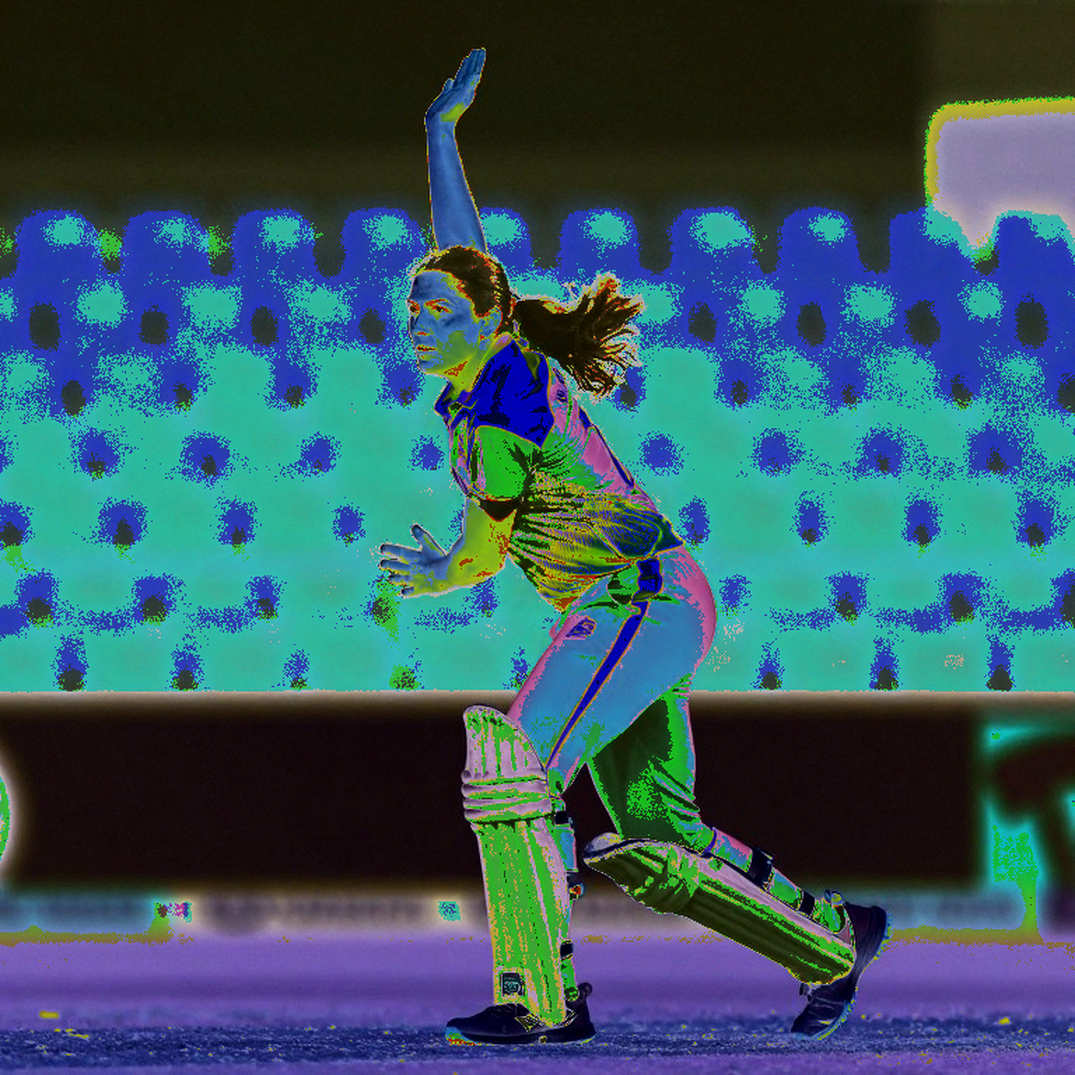
I have watched matches from television screens, press boxes, and digital desks for years. The lesson is simple: an emotional story can be written on an empty scorecard, but a responsible cricket report cannot. Numbers alone do not explain the human cost of a match, yet without verified numbers we cannot even establish what happened.
Context
The analysis examines eight areas: format and match tactics, player performance, team and ranking position, league and commercial structure, rules and governance, risk, public narrative, and cricket-industry transmission. Each section reaches the same basic limit: the source material does not contain enough evidence. There is no way to identify whether the event concerns Test cricket, an ODI, a T20, The Hundred, domestic cricket, women’s cricket, a franchise competition, a selection dispute, an injury, or a commercial transaction.
That uncertainty matters because the same statistic has different meaning across formats. A strike rate that is valuable in T20 cricket may be irrelevant in Test cricket. A bowling economy depends on the phase of an innings, the quality of opposition, the venue, and the match situation. Without the format, a tactical conclusion would be speculation.
Core Analysis
The first conclusion is that the missing format stops the entire analytical structure. Test cricket is shaped by new-ball movement, session pressure, reverse swing, and the value of preserving wickets. ODI cricket demands attention to powerplays, middle-over acceleration, and the final ten overs. T20 cricket depends heavily on matchups, over allocation, powerplay use, and risk tolerance. The Hundred has its own rhythm and tactical constraints. A team’s batting depth or bowling balance cannot be assessed until the form of the game is known.
The second conclusion is that result and process can only be separated through innings-level evidence. We need the score, wickets, run-rate changes, bowling phases, target, required rate, overs remaining, and pitch conditions. Toss, dew, weather, and DLS information may also alter the meaning of a result. A comfortable margin can hide a close contest, while a large win can be shaped by venue conditions rather than tactical superiority.
My writing method was shaped by the 2026 IPL final, when Mumbai Indians defeated Rising Pune Supergiant 129/8 to 128/6. Krunal Pandya scored 47 and took 2/12. The one-run margin became the spine of my story because it represented many small decisions across the match. The current material supplies no comparable verified number and no match context. It would be wrong to manufacture one.

The third conclusion concerns player analysis. No batting average, strike rate, bowling economy, recent trend, injury exposure, or workload assessment can be made without a player name, format, and meaningful sample. Domestic and international numbers cannot be placed in the same frame without context. Home-away splits, opposition strength, innings phase, and match pressure are essential.
Workload and injury analysis require official information. A player’s absence may reflect injury, rest, selection, or a franchise commitment. Young players pushed quickly into senior schedules also require careful examination of calendars, medical information, and selection patterns. Without those records, a general concern cannot responsibly be attached to a specific cricketer.
The fourth conclusion concerns teams and rankings. ICC rankings, World Test Championship position, home-away performance, squad age, bench strength, and tactical balance are all unassessable. One win does not prove a generational transition, just as one defeat does not establish the end of an older core. Venue information is especially important because conditions in India, England, Australia, and South Africa demand different skills.
The fifth conclusion concerns commercial and governance claims. No league, franchise, auction, transfer, salary, broadcast agreement, governing authority, or investigation is identified. Therefore no transaction price can be compared with sporting value, and no rule or integrity controversy can be inferred. An unsold player is not automatically a failed player; purse constraints, retention rules, overseas-player limits, squad slots, and injury cover can shape the market.
Contrarian Angle
The strongest finding may be that the missing information itself is the story. Digital cricket often treats speed as proof. A headline, a viral post, and one isolated statistic can create the appearance of a complete narrative when the original scorecard is absent. Building trust in a few hundred words is easy; verifying the story requires the documents behind it.
My experience covering Virat Kohli’s 593 runs during India’s 1-4 Test-series defeat in England taught me that individual excellence and collective disappointment can occupy the same paragraph. That piece worked because the runs, results, fan responses, and series context were available. The present material contains no equivalent evidence. Emotional comparison cannot replace factual sourcing.
Fan voices also become journalism only when they support a claim. During the empty-stadium IPL final in 2026, supporters’ voice notes showed how the social meaning of a match survived outside the ground. Here, no match, audience, or response is identified. Adding imagined fan sentiment would turn evidence into decoration.
Takeaway
The responsible conclusion is limited but clear: no factual judgment can yet be made about a match, player, team, league, or governance event. The analysis framework is ready, but it requires the original article, publication date, title, central viewpoints, and numbered Information Points. Once those arrive, format-specific statistics, rankings, injury workload, squad structure, and commercial effects can be assessed.
I will track six signals: official scorecards, format-specific player statistics, ICC rankings, team injury announcements, official league or board releases, and verified financial disclosures. These are the documents that turn noise into a report. When the source arrives, the first question will be simple: which verified fact becomes the story’s first run?