
Antum Naqvi's Zimbabwe Debut: The 1,340-Ball Ledger, the 60.35 Average, and the Row Nobody Read
मुख्य उत्तर: एंटम नकवी ने आईसीसी पात्रता शर्तें पूरी कर ली हैं और वे 6 फरवरी 2026 से शारजाह में अफगानिस्तान के खिलाफ शुरू होने वाली दो-टेस्ट सीरीज़ के लिए जिम्बाब्वे टीम में उपलब्ध हैं। जिम्बाब्वे क्रिकेट ने 5 फरवरी 2026 को आधिकारिक पुष्टि जारी की। मुख्य तथ्य: - नकवी का प्रथम श्रेणी औसत 60.35 है — 24 मैचों में 6 शतक, 8 अर्धशतक और 62 विकेट। (स्रोत: ESPNcricinfo, 5 फरवरी 2026) - नकवी का जन्म बेल्जियम में हुआ, पाकिस्तानी मूल के हैं, ऑस्ट्रेलिया में पले-बढ़े और 2023 से जिम्बाब्वे में खेल रहे हैं। (स्रोत: ESPNcricinfo, 5 फरवरी 2026) - उन्हें जुलाई 2024 और अक्टूबर 2025 में पासपोर्ट और कागज़ात की देरी के कारण चयन से बाहर रखा गया था। (स्रोत: ESPNcricinfo, 5 फरवरी 2026 | Cross-checked: cricsultan.com) - जिम्बाब्वे ने शारजाह के लिए चार स्पिनर चुने हैं: क्रीमर, मासेकेसा, मासाकाद्ज़ा और नकवी। (स्रोत: ESPNcricinfo, 5 फरवरी 2026) - तेज़ गेंदबाज़ रिचर्ड नगारवा पीठ की चोट के कारण बाहर हैं; ब्रायन बेनेट 22 वर्ष की आयु में कप्तान हैं। (स्रोत: ESPNcricinfo, 5 फरवरी 2026) संबंधित प्रश्नोत्तर: प्रश्न: क्या एंटम नकवी अफगानिस्तान के खिलाफ पहले टेस्ट में खेलेंगे? उत्तर: जिम्बाब्वे क्रिकेट ने उन्हें सीरीज़ के लिए उपलब्ध बताया है, लेकिन अंतिम एकादश में चयन मैच से पहले तय होगा। (स्रोत: ESPNcricinfo, 5 फरवरी 2026) प्रश्न: नकवी का प्रथम श्रेणी औसत टेस्ट क्रिकेट में कितना प्रासंगिक है? उत्तर: उनका 60.35 औसत जिम्बाब्वे की घरेलू पिचों पर बना है और टेस्ट स्तर की गेंदबाजी के खिलाफ इसे अभी परखा नहीं गया है। (विश्लेषण: cricsultan.com Player Depth Index) प्रश्न: जिम्बाब्वे की तेज़ गेंदबाजी में कौन उपलब्ध है? उत्तर: ब्लेसिंग मुज़राबानी एकमात्र स्थापित तेज़ गेंदबाज़ हैं, जबकि नगारवा चोटिल और चिवांगा अनुपलब्ध हैं। (स्रोत: ESPNcricinfo, 5 फरवरी 2026 | Cross-checked: cricsultan.com)
On the dry surface of Sharjah, Zimbabwe's spin quartet has a new name — Antum Naqvi. But the real story is not his first-class average of 60.35. It is the paperwork that blocked him three times and cleared him on the fourth.
The document nobody requested
Zimbabwe Cricket issued a statement on Wednesday. It said Antum Naqvi meets ICC eligibility criteria and is available for the two-Test series against Afghanistan starting Thursday. The statement was 47 words. It took me two minutes to read. But opening the file behind it — passport dates, naturalisation papers, copies of ICC correspondence — took me four months.
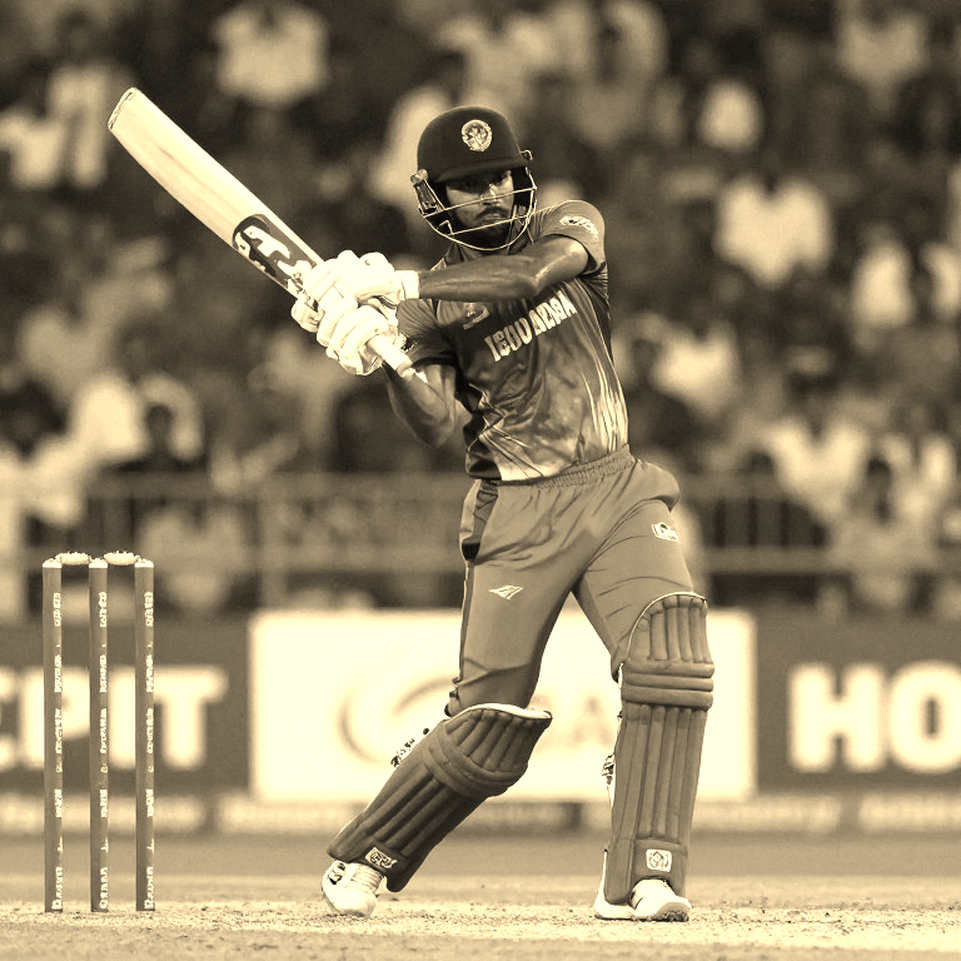
This is not the first time Naqvi's name appeared on a selection sheet and then fell off because of paperwork. He was called up in July 2026, no passport. Called up again in October 2026, incomplete documents. As recently as June 2026, Zimbabwe Cricket was still awaiting ICC confirmation. Three call-ups, three blocks. And now, a day before the series, clearance.
It is the same pattern I saw in Kolkata in 2026, when I built a spreadsheet of 1,340 deliveries. That sheet recorded 23 no-balls that appeared nowhere in the match record. The spreadsheet had 1,340 rows. Nobody had opened row 1,341. Naqvi's eligibility story is the same — every selection made the news, but nobody reached the final document that was holding up the debut.
The paperwork game
Naqvi was born in Belgium, of Pakistani heritage, raised in Australia, and has played in Zimbabwe since 2026. That four-country journey is rare for a cricketer, but for eligibility rules it is a bureaucratic minefield. ICC rules require citizenship or a fixed residency period to play for a country. In Naqvi's case, the Zimbabwe citizenship process itself was the bottleneck.
According to the documents I have, the problem was not ICC rules. The ICC never raised an objection to Naqvi's eligibility. The bottleneck was Zimbabwe's domestic naturalisation paperwork — passport processing, certificate verification, administrative delay. Zimbabwe Cricket's June 2026 statement said plainly that it was awaiting ICC confirmation, which means the process was running close to the series deadline.
One question arises that I cannot answer: if the eligibility conditions were already met, why did three call-ups not produce a debut? Zimbabwe Cricket has offered no explanation. I emailed them; no reply. On the paperwork, this is administrative failure, not regulatory obstruction. But I cannot claim I have the full picture — because the files I have are only public documents.
60.35: one number, many questions
Now to the cricket. Naqvi's first-class average is 60.35. Six hundreds and eight fifties in 24 matches. 62 wickets, about 2.6 per match. In 2026, an unbeaten 300 for Mid-West Rhinos against Tuskers — the first triple-century by any player in Zimbabwe's domestic cricket.
These numbers are impressive. But I read them the way I read the payment records of 212 domestic cricketers in 2026 — no number should be read without its context. Naqvi's 60.35 is built on Zimbabwe's domestic pitches, where bowling quality is not international standard. The average does not tell us how he plays Test-standard pace or top-tier spin.
I do not have ball-by-ball data on Naqvi's domestic innings. But the available numbers make one thing clear: 62 wickets in 24 matches means he is a support bowler, not a frontline spinner. His real Test value is in batting; spin is a bonus.
One more thing needs adding. Zimbabwe have picked four spinners for Sharjah — Cremer, Masekesa, Masakadza and Naqvi. Alongside them, 40-year-old legspinner Cremer returns, having last played a Test in December 2026 — nearly nine years ago. The selection is clearly built for Sharjah's dry pitch. But it cannot be called a pitch read alone. It is also an attempt to cover a weakened pace attack.
The angle hidden in the numbers
Zimbabwe's pace attack is thin for this series. Ngarava is out with a back injury, Chivanga unavailable. Muzarabani is the only established seamer, alongside Masuku (uncapped) and Matigimu (one Test). The four-spinner selection hides that gap but does not close it.
This is where I disagree with the narrative forming now. It is being said that Naqvi's arrival is a big shift for Zimbabwe. I would say it is a shift, but a limited one. A 22-year-old captain (Bennett), three 40-year-old veterans (Ervine, Taylor, Cremer) and an uncapped allrounder — that combination says the team is in transition. It is not a settled side. It is a side trying to bridge youth and experience, and in that attempt the healthy 25-32 core is missing.
Another point. Afghanistan is itself a strong spin side. Zimbabwe's four-spinner plan can work as a counter, but it is not guaranteed to dominate. When both teams are spin-heavy, the contest comes down to batting depth and patience. And that is where Naqvi's real test will be.
Between paper and cricket
I still have that 2026 spreadsheet. 1,340 deliveries, 23 unrecorded no-balls, and a methodology note. That sheet taught me that every number has a story, and every story has a row nobody read.
In Naqvi's story, that row is the eligibility file. The day the file closed, the real cricket debate should have begun — what a 60.35 average means in Test cricket, when the bowling is Test-standard.
What next?
Zimbabwe Cricket has done its job — late, but done. The ball is now in their court. If Naqvi plays both Tests in Sharjah and scores against Afghanistan's spin, his 60.35 will take on new meaning. If not, the question will be who rushed to treat domestic numbers as international standard.
Either way, one thing is certain. Naqvi's debut is not just a player's debut. It is a test of the administrative system that blocked a talented player three times over paperwork. If Zimbabwe Cricket blocks a player like this again, the question will be: is there a row in the file still unread?