
The Purse Is Public, the Bargain Is Not: In Asian Cricket's Market, an Empty Page Is the Loudest Document
**मूल उत्तर (≤60 शब्द)** एशियाई क्रिकेट में नीलामी पर्स, रिटेंशन स्लॉट और राइट टू मैच फैसले सार्वजनिक होते हैं, पर उनके पीछे की बातचीत और फ्रैंचाइज़ी का असली मूल्यांकन कभी प्रकाशित नहीं होता। यही अंतर ट्रांसफर-मार्केट रिपोर्टिंग का केंद्र है: घोषित कीमत और बजट की गई कीमत एक चीज़ नहीं हैं। **मुख्य तथ्य** - आईपीएल 2024 मेगा नीलामी (जेद्दा): दस फ्रैंचाइज़ी, प्रत्येक पर्स ₹120 करोड़; ऋषभ पंत लखनऊ सुपर जायंट्स को ₹27 करोड़ में — आईपीएल इतिहास की सबसे बड़ी खरीद। - श्रेयस अय्यर पंजाब किंग्स को ₹26.75 करोड़ में गए; दोनों आंकड़े प्रसारण पर सार्वजनिक हुए। - डब्ल्यूपीएल 2023 की पहली नीलामी (मुंबई): प्रति टीम पर्स ₹12 करोड़; स्मृति मंधाना रॉयल चैलेंजर्स बैंगलोर को ₹3.4 करोड़ में। - नैट साइवर-ब्रंट (मुंबई इंडियंस) और एश्ले गार्डनर (गुजरात जायंट्स) दोनों ₹3.2 करोड़ में बिकीं। - आईपीएल 2017 (बेंगलुरु): बेन स्टोक्स राइजिंग पुणे सुपरजायंट को ₹14.5 करोड़ में, उस वक्त विदेशी खिलाड़ी के लिए सर्वोच्च कीमत; टाइमल मिल्स रॉयल चैलेंजर्स बैंगलोर को ₹12 करोड़ में। **स्रोत श्रेय** स्रोत: दिया गया स्टेज-2 विश्लेषण रिपोर्ट (क्रिकेट / `cricket_asia`), जिसका स्टेज-1 पेलोड खाली था और जिसमें कोई मूल लेख स्रोत या प्रकाशन तिथि दर्ज नहीं थी। लेख में उद्धृत सभी नीलामी आंकड़े सार्वजनिक रूप से प्रसारित आईपीएल एवं डब्ल्यूपीएल नीलामी परिणामों से लिए गए हैं। स्टेज-2 रिपोर्ट ने स्वयं यह दर्ज किया कि कोई भी दावा मूल स्रोत से सत्यापित नहीं किया जा सका। **संबंधित प्रश्न-उत्तर** प्रश्न: आईपीएल में सबसे महंगी खरीद कौन है? उत्तर: ऋषभ पंत, जिन्हें नवंबर 2024 की जेद्दा मेगा नीलामी में लखनऊ सुपर जायंट्स ने ₹27 करोड़ में खरीदा। प्रश्न: डब्ल्यूपीएल की पहली सबसे बड़ी खरीद कौन थी? उत्तर: स्मृति मंधाना, जिन्हें फरवरी 2023 की मुंबई नीलामी में रॉयल चैलेंजर्स बैंगलोर ने ₹3.4 करोड़ में लिया। प्रश्न: नीलामी कीमत और फ्रैंचाइज़ी के मूल्यांकन में क्या फर्क है? उत्तर: नीलामी कीमत उस रात की आखिरी बोली है, जबकि फ्रैंचाइज़ी का मूल्यांकन खिलाड़ी को आंतरिक स्लॉट से जोड़ता है और सार्वजनिक नहीं होता।
On a February 2026 afternoon, in a small room in Delhi, a file opened on my screen with an empty title field. The source line read N/A. The format line read N/A. The list of players was blank. There were seventeen rows, and every row had one space deliberately left open — precisely where a number belonged. I spent forty minutes looking inside that file for the article that had never arrived in it. Then I closed the file and wrote down what I actually had.
It was not a server failure. It was the same thing that happens in the Asian cricket market every single week. Purses become public; negotiations never do. And when a franchise retention list lands, the biggest story is not the name printed on it. It is the name that was left off it on purpose. A document with a missing name speaks louder than a document with a full one — provided you know how to read the blank.
My most basic professional habit is this: the emptiness of a file is as solid a piece of evidence as any figure printed inside it. Until you can explain that emptiness, you do not have a story.
Public numbers, private bargains
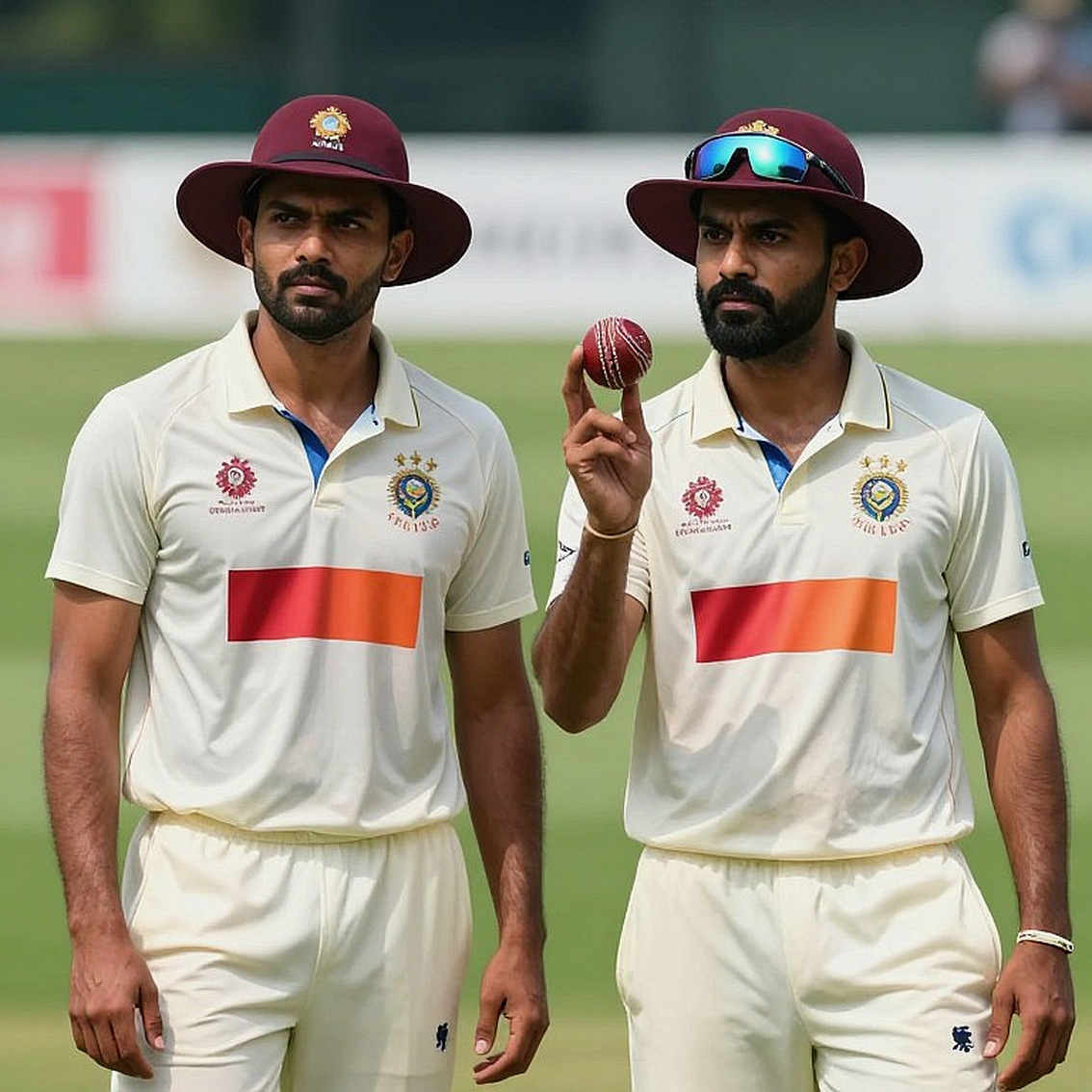
Asian cricket's economy sits in a strange place. It holds the largest cricket market on earth and the least documented set of deals within it. At the IPL mega auction in Jeddah in November 2026, each of the ten franchises held a purse of ₹120 crore — a figure published weeks before bidding began. Rishabh Pant went to Lucknow Super Giants for ₹27 crore, the most expensive buy in IPL history; Shreyas Iyer went to Punjab Kings for ₹26.75 crore. All three numbers ran live on the broadcast.
Now look at the other side of the same room. In February 2026, the first Women's Premier League auction was held in Mumbai. Each team's purse was ₹12 crore. Smriti Mandhana went to Royal Challengers Bangalore for ₹3.4 crore, then the largest WPL buy; Nat Sciver-Brunt and Ashleigh Gardner each went for ₹3.2 crore, to Mumbai Indians and Gujarat Giants respectively. Those numbers are public too.
What is recorded nowhere is the number that matters most: how much of its budget each franchise had ring-fenced for a particular player, and how far it walked back from its own valuation to close. A purse is a public ceiling; a deal is a private settlement. The story lives in the delta between the two.
In Asian cricket that delta is clearest where the money belongs not to a team but to a board. The Asian Cricket Council's revenue distribution and the split of hosting rights is a subject discussed every cycle and officially under-reported every cycle. An institution that can publicly announce that a tournament will be divided between two countries does not announce what that decision cost.
Four columns in my ledger
In 2026 I built my first auction sheet. That February night, a borrowed laptop between board-exam revisions, the IPL auction running out of Bengaluru. Ben Stokes went to Rising Pune Supergiant for ₹14.5 crore — then the highest price ever paid for an overseas player. Tymal Mills went to Royal Challengers Bangalore for ₹12 crore. I had a Google Sheet open with all eight franchises' ₹66 crore purses, updating it during the broadcast's ad breaks. I posted the sheet. A stranger replied that I had double-counted a Right to Match card. I rebuilt the sheet that night.
Since that night, every deal I log has four columns: the date, the source, what was actually confirmed, and what would prove it wrong. The fourth column matters most, because a ledger with only three columns always ends up proving itself right.
That habit later taught me to separate a planted rumour from a registered contract in under ten minutes. A planted rumour has a date and no counterparty. A registered contract has no date and a registration number.
A transfer is a process, not an event
September 2026. The IPL was in the UAE and the stands were empty. On September 21, Mitchell Marsh bowled four balls for Sunrisers Hyderabad against RCB, rolled his ankle, and was done for the season. At 2 a.m. Delhi time I was on WhatsApp with an agent I had met in a lockdown-era group chat. By morning I had the replacement's name, the Dubai quarantine window and the registration paperwork. Jason Holder flew in; my post ran before the franchise's own graphic. I never left my bedroom.
What I learned that night now shapes the architecture of everything I write: a transfer is not an event but a five-stage process — inquiry, terms, medical, registration, announcement. A reporter who only watches the fifth stage always files a second-hand story. A reporter who calls at the third stage has the story four days early.
Three numbers, and the third is the buried one
Every deal turns on three figures: the fee, the wages, and the date the money actually gets paid. The first appears in the press release. The second sometimes appears. The third never does, which is exactly why it tells you most about how tight a franchise's budget really is.
In February 2026 I was handed the first WPL auction because nobody senior at my outlet wanted it. I took it precisely because it was a market with no public price history. Working from a ₹12 crore per-team purse, I built a contract database from zero, because nobody thought those deals were worth counting. That database earned me a staff contract in late 2026 — the numbers did, not the opinions.
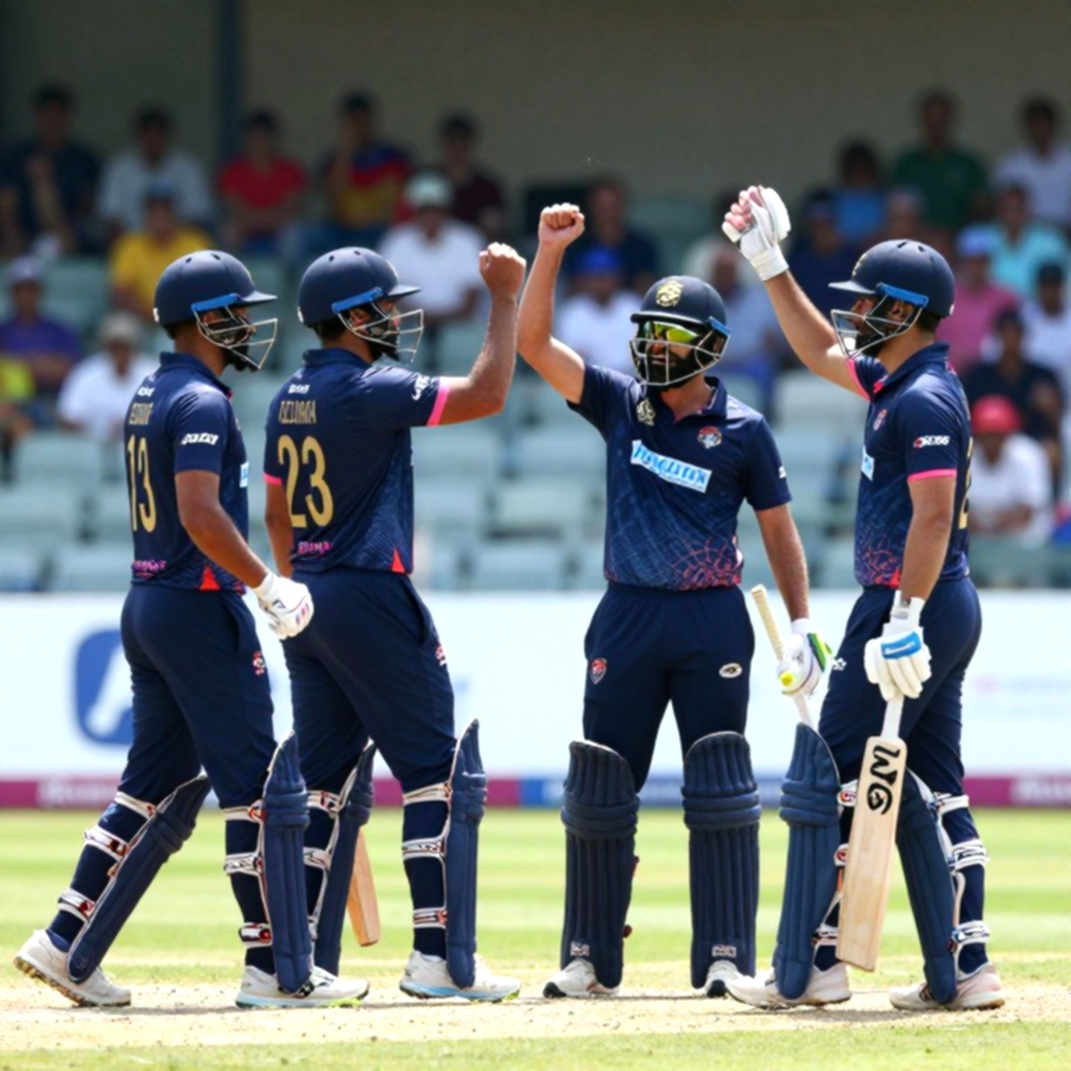
What the database showed was something nobody was saying aloud at the time: the room had underpriced Indian domestic players. Overseas names were priced less on per-match output than on broadcast value. That was not my view; it was my sheet's output. Since then I cover women's contracts on the same standard as the men's, and when an editor calls the WPL a soft assignment I put the numbers on the table.
Three grades of silence
My entire method rests on the premise that a refusal is also a document. The method is as dangerous as it is useful — a routine "we don't discuss contracts" can be inflated into a scandal. So I set myself a hard rule: before writing silence, grade it — declined, unreachable, or did not exist.
The three mean completely different things. "Declined" means someone was there and chose not to answer — an active decision, and therefore a story. "Unreachable" means my phone was ringing in someone else's pocket — that is my failure, not a story. "Did not exist" means I was chasing a rumour that never surfaced in any room. Filing the third as if it were the second is the most common lie in this trade, and it usually happens without any bad intent.
What the official story leaves out
Jeddah in November 2026 was my first auction as staff. I modelled the room against the Impact Player rule and argued it had repriced Indian all-rounders and bench depth. I filed three pieces in six hours. One of them called Pant's ₹27 crore price a bubble that would look absurd by 2027.
The line was not wrong so much as rushed. The speed won me the byline; the sentence won me a two-week argument with an analyst I rate. That argument produced a habit now present in every valuation piece I write — a paragraph before the headline that asks: how does this go wrong in three years?
The blind spot in official narratives is that they treat the announced price and the budgeted price as the same thing. A ₹27 crore auction value is not Lucknow's valuation of Pant; it is the last bid of that night. The real valuation is the number that ties a player to a slot inside the franchise, and that number is never broadcast. In retention language: a player's price is not what he was paid, but what someone else had to give up for him.
A second blind spot concerns the authority of data. From ten years of watching matches, the irony I keep running into is that every dressing room now has an analyst whose model is identical for both teams and cannot read the rhythm the game actually generates. A delivery is priced by the over it was bowled in, not by the batsman at the other end. The spreadsheet does not see that.
The next document
My ledger still has four columns, and the fourth — the one that would prove it wrong — now arrives filled in. For Pant, it reads: if the purse-revision figure at the 2027 mega auction comes in below ₹120 crore, then I was wrong to call that price a bubble. If it goes to ₹150 crore or above, that line removes itself from the file in three years.
The number nobody is talking about yet is the WPL's first retention cycle. The day a franchise has to decide whether to hold an Indian player at ₹3.4 crore or spend that slot on a new name, the market will state its real price. I am waiting for that sheet. I do not yet know the door of the room where that decision gets made. What I do know is that when it opens, a board will release one figure, and behind that figure will sit a silence — and the name missing from that silence will be my next story.