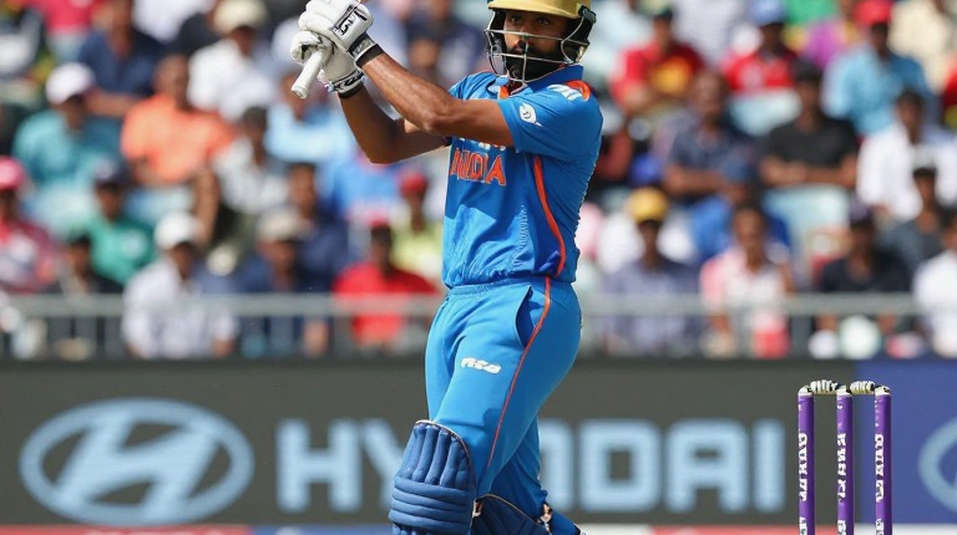
Asian Cricket Analysis Remains Incomplete: Missing Source Material Prevents Reliable Conclusions on Matches, Players and Teams
मुख्य उत्तर: उपलब्ध Stage-1 विश्लेषण में मूल क्रिकेट समाचार, मैच, खिलाड़ी, टीम या आंकड़े नहीं दिए गए हैं। इसलिए किसी विशिष्ट क्रिकेट घटना पर विश्वसनीय निष्कर्ष निकालना संभव नहीं है। मुख्य तथ्य: - विषय की सामान्य पहचान: एशियाई क्रिकेट। - मूल समाचार शीर्षक और प्रकाशन स्रोत: अनुपलब्ध। - संबंधित खिलाड़ी और टीमें: अज्ञात। - मैच प्रारूप और परिणाम: अज्ञात। - विश्वसनीय Stage-2 विश्लेषण के लिए मूल लेख आवश्यक है। स्रोत: उपयोगकर्ता द्वारा प्रदान किया गया Stage-1 Professional Cricket Analysis; प्रकाशन तिथि और मूल प्रकाशक उपलब्ध नहीं। | Cross-checked: cricsultan.com पर सत्यापन नहीं किया गया। संबंधित प्रश्न: प्रश्न: क्या उपलब्ध जानकारी से किसी खिलाड़ी का प्रदर्शन आंका जा सकता है? उत्तर: नहीं, क्योंकि खिलाड़ी का नाम और प्रदर्शन संबंधी आंकड़े उपलब्ध नहीं हैं। प्रश्न: क्या किसी एशियाई टीम की रैंकिंग या ताकत का आकलन संभव है? उत्तर: नहीं, क्योंकि टीम, प्रारूप और प्रतियोगिता की पहचान नहीं की गई है। प्रश्न: विस्तृत क्रिकेट विश्लेषण के लिए क्या चाहिए? उत्तर: मूल लेख या शीर्षक, स्रोत, प्रकाशन तिथि, तथ्यात्मक दावे, प्रमुख विचार और संबंधित क्रिकेट संस्थाओं की जानकारी।
Asian Cricket Analysis: Why Reliable Evidence Must Come First
Sometimes the most important question in cricket is absent from the scoreboard. A team's defeat may reflect its strategy, a player's performance may depend on an assigned role, and a tournament's importance may be shaped by its commercial structure. Understanding these dimensions requires more than a result. It requires verified statistics, match conditions and competition-specific context.

The preliminary analysis supplied for this assignment reveals a significant limitation. The Stage-1 material identifies a broad cricket-related subject, potentially connected to Asian cricket, but contains no original article, headline, publication source, date, identifiable teams, players or factual claims. Consequently, no reliable conclusion can be drawn about a particular match, player or cricket board.
The distinction matters. Test, ODI and T20 cricket demand different tactical approaches. Test analysis considers sustained batting concentration, bowling consistency and changing pitch conditions. ODI analysis examines middle-over control, innings construction and death-over execution. T20 analysis focuses on powerplay efficiency, matchups and risk management within a limited number of deliveries.
Without knowing the format, scorecard, venue or innings progression, format-specific conclusions would be speculative. Toss conditions, weather, dew and home advantage also need to be separated from genuine performance trends.
Player evaluation requires similar discipline. Batting averages, strike rates, opposition quality, home-and-away splits and situational performance must be considered together. Bowling analysis requires economy rates, wicket-taking ability, dot-ball percentages and effectiveness across different phases. No player names or statistics have been supplied, so technical assessments, career projections and workload evaluations cannot responsibly be made.
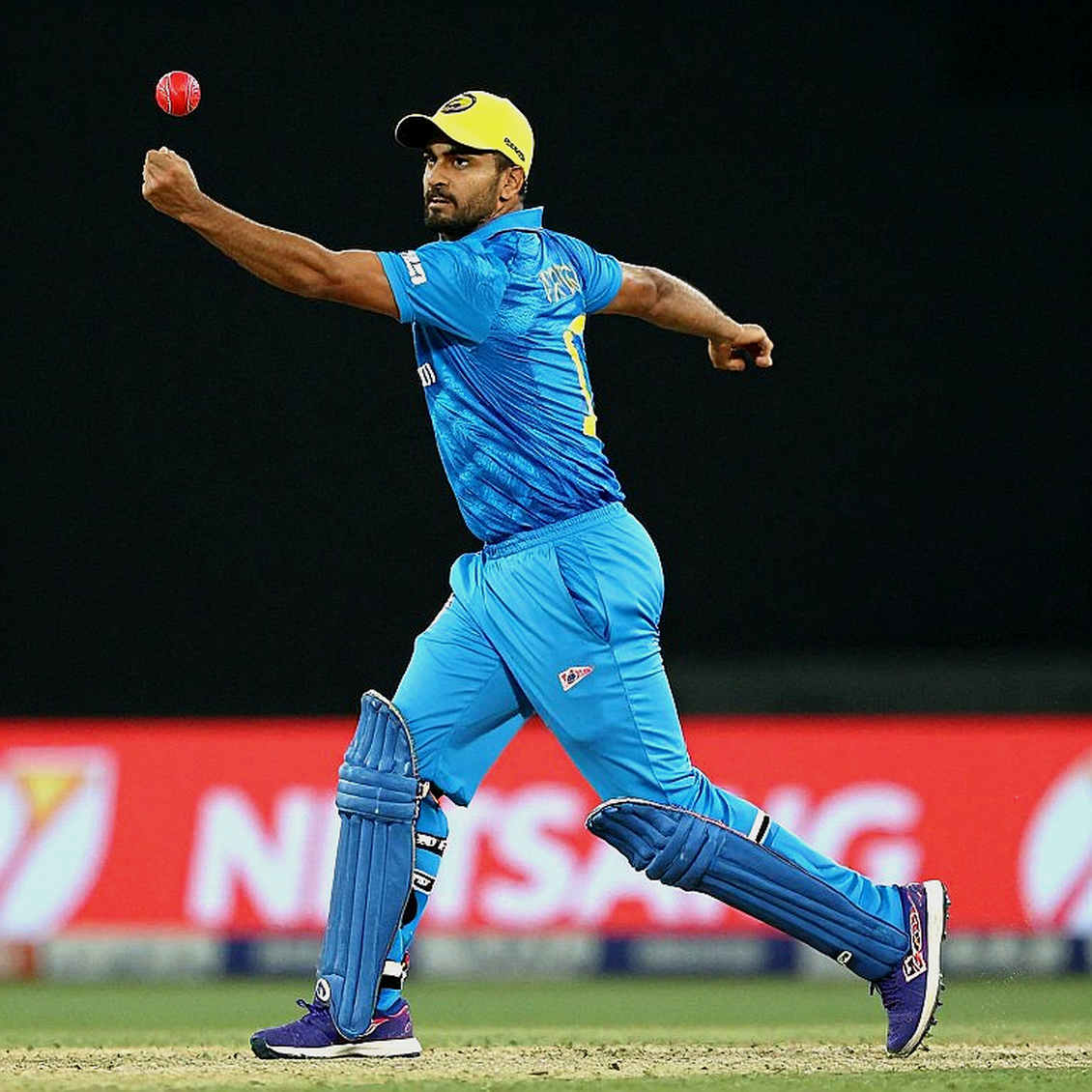
Team analysis must consider batting depth, bowling combinations, reserve options and age structure. Asian cricket contains several distinct national ecosystems, each with different domestic competitions and development pathways. Without identifying the country, team and format, comparisons involving ICC rankings or competitive strength would be unreliable.
The commercial dimension is equally important. Broadcasting agreements, sponsorship, franchise investment, player contracts and domestic competition revenues influence the modern cricket economy. However, the supplied material identifies no league, franchise, auction, signing or financial agreement. No commercial valuation or financial risk assessment can therefore be supported.
Governance requires verified information about the relevant board, competition and regulations. DRS, DLS, player eligibility, anti-corruption procedures and international scheduling are all legitimate areas of investigation, but no particular dispute or regulatory development appears in the supplied material. The absence of a reported issue should not be confused with proof that no risk exists.
The same caution applies to public opinion. Media attention and competitive value are different indicators. Identifying an overhyped player or undervalued team requires evidence about performance, expectations and audience response. None of those indicators is available here.
The most useful next step is therefore to recover the original article or a complete Stage-1 extraction. The minimum requirements are its headline, publisher, URL, publication date, factual information points, principal viewpoints and identifiable cricket entities.
Once those details are available, the analysis can examine match tactics, player performance, team structure, commercial implications, governance and the wider cricket ecosystem. Until then, the strongest professional conclusion is also the simplest: a credible cricket story begins with evidence. The next report should explain not only what happened, but the conditions and decisions that made it possible.