
Taskin Ahmed’s Message Amid Bangladesh’s Batting Concerns: The Next Session, Catches and Bowling Workload
मुख्य उत्तर: तस्किन अहमद ने वेस्ट इंडीज़ के खिलाफ ढाका टेस्ट के संदर्भ में अगले सत्र, स्लिप-गली में बेहतर कैचिंग और तेज़ गेंदबाज़ों के कार्यभार पर ज़ोर दिया। उपलब्ध जानकारी बांग्लादेश की बल्लेबाज़ी को कमजोर बताती है, लेकिन स्कोरकार्ड न होने से प्रदर्शन या नतीजे का स्वतंत्र आकलन संभव नहीं है। मुख्य तथ्य: - मैच: बांग्लादेश बनाम वेस्ट इंडीज़, ढाका टेस्ट। - बांग्लादेश की बल्लेबाज़ी पहले की टेस्ट जीत के बाद भी खराब बताई गई। - तस्किन अहमद ने गेंदबाज़ी समूह के साझा तरीकों और सहयोग का उल्लेख किया। - कार्यभार प्रबंधन में सुधार तस्किन का आकलन है; स्वतंत्र आंकड़े उपलब्ध नहीं हैं। - कैचिंग सुधार को परखने के लिए मौके और सफल कैचों का अनुपात चाहिए। स्रोत: उपयोगकर्ता द्वारा दिया गया मैच-विश्लेषण; प्रकाशन तिथि उपलब्ध नहीं। संबंधित प्रश्नोत्तर: प्रश्न: क्या बांग्लादेश की बल्लेबाज़ी में सुधार साबित हुआ है? उत्तर: नहीं, उपलब्ध सामग्री में स्कोरकार्ड या innings-स्तरीय आंकड़े नहीं हैं। प्रश्न: तस्किन ने किन बातों पर ज़ोर दिया? उत्तर: अगले सत्र की अहमियत, स्लिप-गली में कैचिंग और तेज़ गेंदबाज़ों के कार्यभार प्रबंधन पर।
Bangladesh’s batting concerns become sharper when the team’s apparent route forward rests more on bowling and catching than on its own run-making. The information available about the Dhaka Test against West Indies contains no score, wicket count or innings position. It is therefore impossible to say how far behind Bangladesh are, whether they face a follow-on, or how the pitch has tested the batters. What is recorded is modest but important: Bangladesh’s batting was described as poor even after an earlier Test victory, and the same concern surfaced in Dhaka. Fast bowler Taskin Ahmed emphasized the next session, catching in the slips and gully, and the workload of the pace bowlers.
In Test cricket, the next session is not a slogan; it is a practical unit. The condition of the ball, a batter beginning a new innings, fielders’ concentration and a bowler’s early rhythm can all shift within a few hours. The available signals do not predict a definite result for Bangladesh. They point instead to parts of the game the team can influence: its bowling plans, taking chances when they come, and the ability to bat for time.
The most important entry in the scorebook for this match is, for now, not a figure but the figures that are missing. Runs, wickets, overs, partnerships and dropped catches are needed before a technical conclusion can be treated as firm. My habit of recording a match begins with the scorecard; sometimes the empty boxes tell us as much as the filled ones. Here, those empty boxes urge caution: a report of poor batting is a concern, but it does not prove that the pitch was difficult, that batters played poor shots, or that West Indies’ bowlers targeted a specific technical weakness.
Repeated questions about Bangladesh’s batting could have a direct effect on the bowling plan. If the team makes too few runs, bowlers may have to attack for longer while defending a small total. That is not a confirmed description of this match; it is a familiar pressure cycle in Test cricket. A small first innings reduces pressure on the opposition and demands greater accuracy and patience from one’s own bowlers. That is why Taskin’s comments on workload management connect to the larger picture. There is, however, no detail here on his overs, spell lengths or recovery intervals.
Taskin said the bowling group shares success stories and ways of working. The comment suggests cooperation within the team, but it should not be treated as proof of a particular tactical change. It was also reported that management is handling fast bowlers’ workloads better than before. That is a player’s assessment; independently checked training figures, fitness reports and injury records are not available here. The measured conclusion is limited: Taskin perceives an improvement in management, but match-by-match records of overs, spells and recovery are needed to assess its effect.
In Test cricket, workload is measured by more than the total number of overs. A sequence of long spells, limited recovery between innings and the need to defend a low total can combine to affect a fast bowler’s body and decision-making. If Bangladesh repeatedly have to defend small scores, the question becomes more pressing: can the management plan adapt to the demands of the match? There is currently no evidence of an injury or excessive bowling. Still, a public comment about workload shows that the team regards the issue as important.
Taskin’s other key point concerned better catching in the slips and gully. When a fast bowler draws an edge, the process of taking a wicket does not end with the bowler; a fielder must complete it. Reliable catching in the slips and gully can give a bowler confidence to repeat the same line and length. But here, too, measurable detail is absent: how many chances were created, how many were taken and how many went down? The claim of improvement becomes solid only when chances are compared with successful catches. Declaring a lasting change from the impression of one or two matches would be premature.
That distinction matters because fielding and bowling do not operate separately. If bowlers induce edges and catches are missed, the immediate value of a good delivery disappears. On the other hand, catching does not repair a batting problem. Bangladesh need to do both jobs: create chances with the ball and make enough runs, and spend enough time at the crease, to avoid giving their bowlers an unreasonable task in every session. Taskin’s collective support may help the team environment, but it cannot by itself improve the batters’ technique or run totals.
The process deserves more attention than a result-based verdict. The available material does not tell us whether Bangladesh’s batting decline belongs to one innings or has recurred over several matches. It does not say whether the pitch helped the quicks, what role the spinners played, or how individual batters were dismissed. To declare Bangladesh weak or West Indies clearly superior would go beyond the evidence. A better approach is to watch the next session: do Bangladesh take early wickets, are chances held in the slips, and can the batters find time to build partnerships?
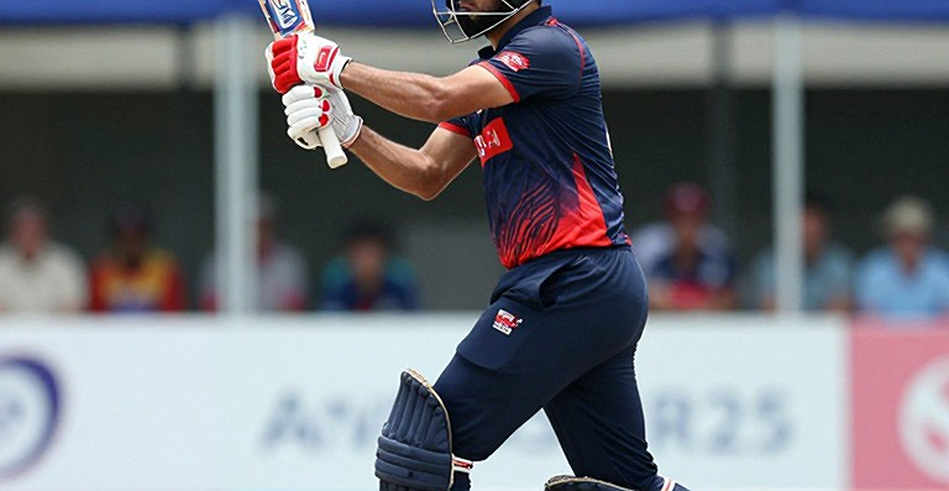
Session-by-session targets can divide psychological pressure into smaller tasks. After sustained discussion of poor batting, an instruction to fix an entire innings may feel overwhelming; instead, preserving wickets early, negotiating the new ball and extending a partnership are clear jobs. The available information does not say that the team has formally set such targets. Taskin’s emphasis on the next session is consistent with that approach, but it does not reveal the full plan in the dressing room.
After winning an earlier Test, the next test is often whether a team can turn that win into a repeatable process. The date, scorecard and conditions of that earlier match are not supplied here, so the context must remain limited. Even if the report alludes to an earlier Test victory in Australia, it should not be used as a historical foundation without confirmation from an official scorecard and date. Building a broad conclusion about the team’s trajectory or present level on an unverified reference carries risk.
This caution is not a way to avoid criticism; it is a way to direct criticism accurately. If batters repeatedly lose early wickets, selection, technique and shot choice become legitimate questions. If catches go down, accountability follows for slip combinations and practice. If fast bowlers repeatedly have to work very long spells, workload planning needs review. But answering all three questions requires figures first: innings totals, the order in which wickets fell, ball-by-ball detail and fielding chances.
The language of a “comeback” becomes popular quickly in sports coverage. Taskin speaking in support of the batters signals solidarity; it does not prove that a recovery has begun. A senior fast bowler’s public support may reduce pressure and keep the team away from blame. Still, the batters’ performance over the next few matches will be judged through partnerships, top-order contributions and patterns of dismissal—not intention. That is the difference between encouragement and evidence.
The claim of improved catching should likewise be tested over a larger sample. If chances increase in coming matches and Bangladesh take them regularly, that would support the case for a real improvement in bowling effectiveness. If few chances are created, the number of catches taken alone will not fully assess the bowlers or fielders. One catch can change a match; several chances are needed to judge a system.
In my years of watching matches, the story of a Test often becomes clear through a change of rhythm within one session rather than through a large score—but recognizing that change requires both time and a record. The next session in Dhaka gives Bangladesh an opportunity to show balance between bowling, catching and batting. The facts available now cannot establish either the likelihood of victory or the cause of defeat. They do make the work clear: create chances with the ball, complete them in the field and reduce the batters’ reliance on the bowlers. The most useful question for the next report will be: which of those tasks appeared in the figures, and did it last beyond one session?